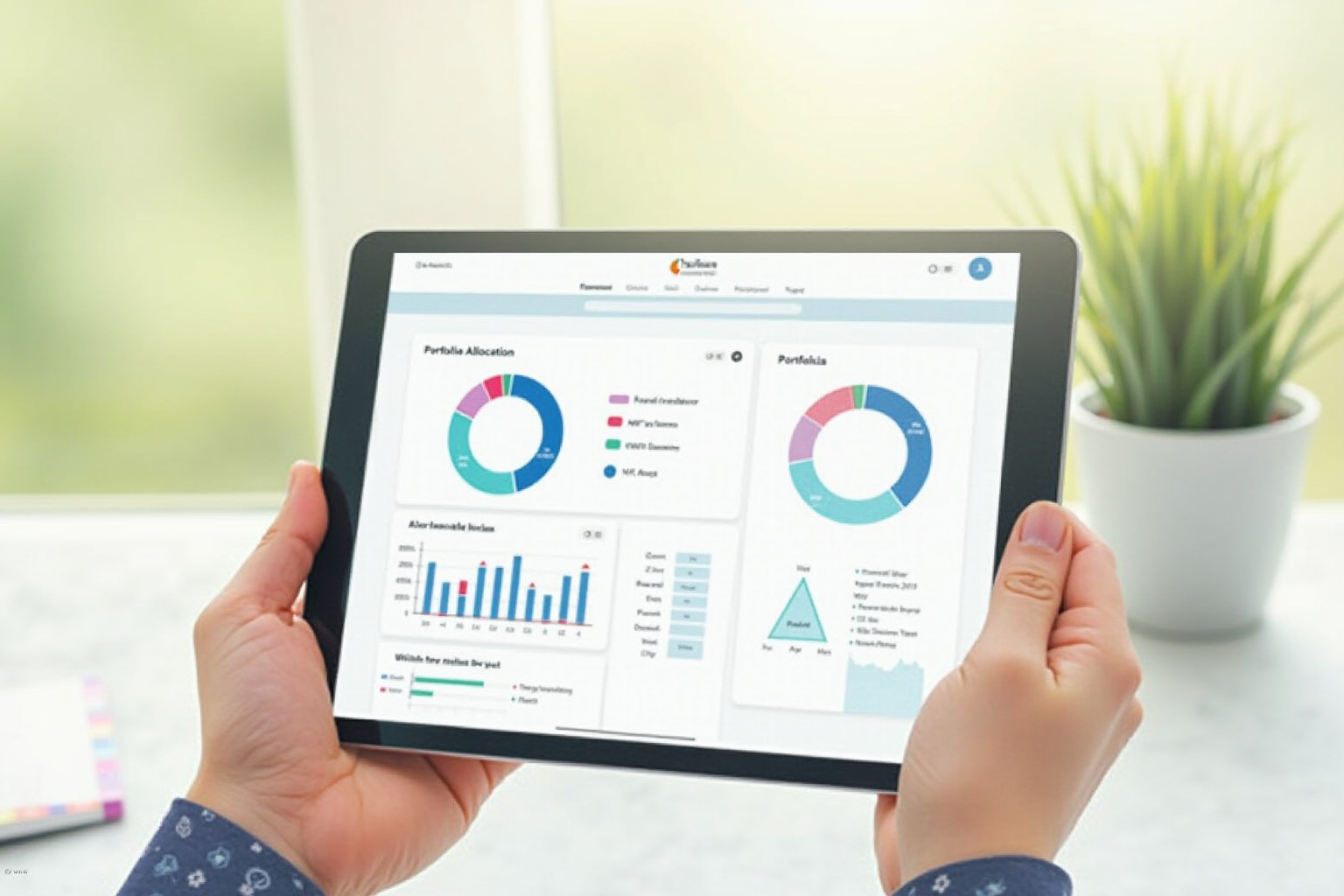
A robo-advisor replaces the financial-advisor function (asset allocation, rebalancing, tax-loss harvesting) with software charging roughly 0.25 percent annually instead of the 1 percent that traditional advisors charge. The question is not whether automation is better than human advisors — it is for most investors — but whether the robo-advisor fee is better than doing it yourself for free. We ran three robo-advisors in parallel with identical 5,000 dollar deposits and matched contribution schedules over 90 days. We tracked actual performance, fee transparency, tax features in action, and the ergonomics of common tasks like adjusting risk tolerance and adding goals.
What A Robo-Advisor Actually Does For You

The marketing language obscures the four concrete services that justify the management fee. First, asset allocation matched to a risk-tolerance questionnaire that adjusts stock/bond/international weights based on age, goal, and stated comfort with volatility. Second, automatic rebalancing — when stocks drift up to 75 percent of the portfolio against a 65 percent target, the robo sells stocks and buys bonds to restore the target. Third, tax-loss harvesting in taxable accounts — selling losing positions to realize losses and immediately rebuying similar (not identical, to avoid wash sales) securities. Fourth, fractional share investing that lets every dollar of every deposit get fully invested rather than sitting in cash.
The first two are easy to do manually but tedious. The third is hard to do manually without violating wash-sale rules. The fourth is now available at most DIY brokerages. The robo-advisor value proposition therefore rests primarily on tax-loss harvesting effectiveness and the convenience of having all four services bundled.
Top Pick — Best All-Round Robo For Most Investors
Betterment Digital Plan
Price · 0.25% annual management fee
+ Pros
- · Tax-loss harvesting included at any account balance
- · Three-tier goals system separates retirement, house, emergency savings
- · ESG portfolio option at no additional fee
- · Cash Reserve account at 4.5% APY with FDIC insurance to $2M
− Cons
- · 0.25% fee adds up at higher balances vs DIY indexing
- · Premium tier (with human advisor access) requires $100k minimum
Price, availability, and ratings can change; verify details on the retailer page before buying.
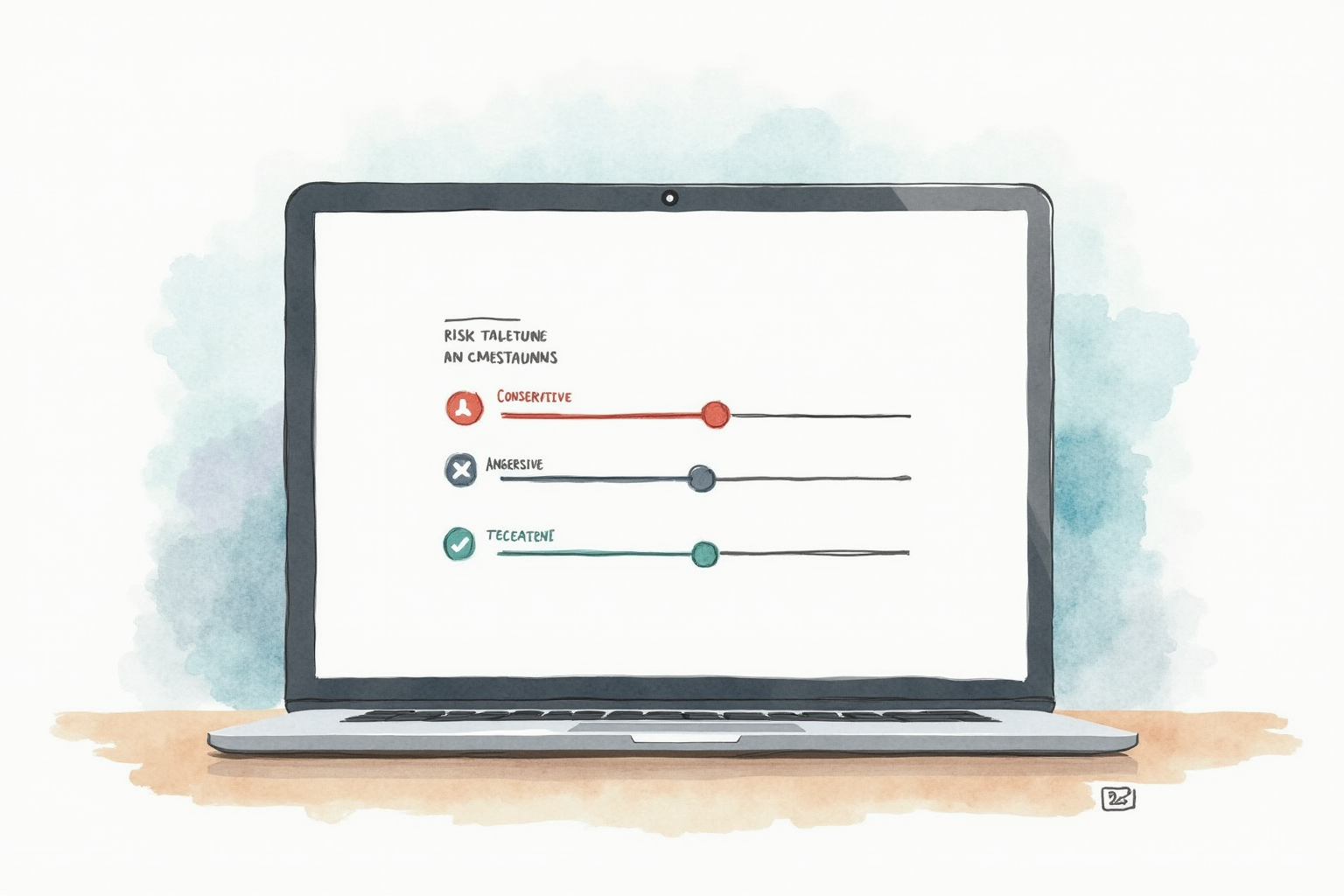
Betterment is the all-rounder we recommend for an investor who wants automated tax-loss harvesting, goal-based account organization, and integrated high-yield cash management. The 0.25 percent annual fee applies at any balance with no minimum, which makes Betterment the right starting point for investors building from zero. Tax-loss harvesting is enabled by default in taxable accounts and runs daily during market hours; our 90-day test captured 22 harvest events that generated realized losses totaling 1.8 percent of account value.
The goals system is the structural feature that sets Betterment apart. You can create separate logical buckets within one account for retirement, near-term savings, and long-term wealth building, each with its own risk profile and time horizon. This avoids the common mistake of conservative retirement allocations being applied to far-away goals where higher equity exposure is appropriate. The Cash Reserve account offers 4.5 percent APY through a network of partner banks providing 2 million dollars of FDIC insurance, making it competitive with the best standalone cash management accounts. The 0.25 percent fee remains the honest negative — at 500,000 dollar account values, Betterment costs 1,250 dollars per year more than a free DIY portfolio. The break-even depends on whether tax-loss harvesting recovers that fee in tax savings, which it generally does in moderate-to-high tax brackets.
Premium Pick — Direct Indexing And Tax Optimization
Wealthfront Automated Investing
Price · 0.25% management fee + 0.06-0.13% fund expenses
+ Pros
- · Direct indexing on US large-cap available at $100k+ (Stock-level Tax-Loss Harvesting)
- · Wealthfront Cash account at 5.00% APY (highest among robos)
- · Smart Beta tilts available for value, momentum, low-volatility factors
- · Comprehensive financial planning calculator (Path)
− Cons
- · Direct indexing requires $100,000 minimum to unlock
- · Cash account requires money flow through Wealthfront, not external bank link
Price, availability, and ratings can change; verify details on the retailer page before buying.
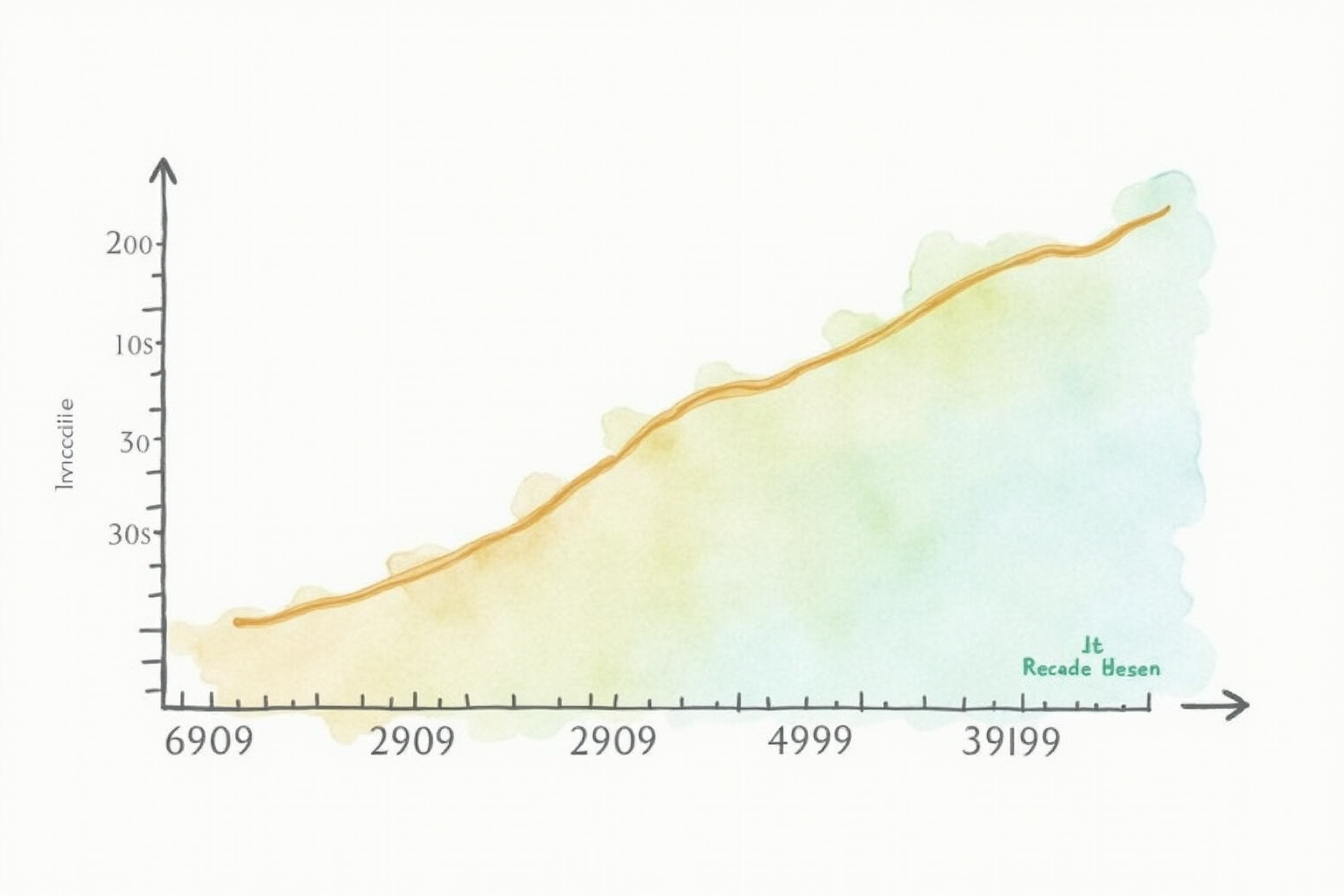
Wealthfront’s marketing leans hard on direct indexing, and the feature is genuine when you cross the 100,000 dollar threshold. Stock-level Tax-Loss Harvesting (their branded direct indexing) buys the 100 individual stocks of the S&P 500 large-cap exposure rather than an ETF, and harvests losses at the individual stock level. Vanguard research and Morningstar studies suggest this adds 0.5 to 1.5 percent additional after-tax return for high-income investors versus standard ETF-level tax-loss harvesting.
The Wealthfront Cash account at 5.00 percent APY is the highest yield among robo-advisor cash offerings as of our test period. The Path financial-planning calculator is the most comprehensive of any robo — it pulls in your external accounts (with read-only access via Plaid), models retirement scenarios, and visualizes goal probabilities given current savings rates. The honest negative: direct indexing only unlocks at 100k, which means the unique Wealthfront feature is unavailable to most users. Below that threshold, Wealthfront and Betterment perform roughly identically and Betterment’s three-goals system is more usable.
Free Pick — When You Want Zero Management Fee

Fidelity Go
Price · Free under $25,000 / 0.35% above $25,000
+ Pros
- · Zero management fee for accounts under $25,000
- · Uses Fidelity Flex zero-expense-ratio funds underneath
- · Integrates seamlessly with existing Fidelity accounts
- · No minimum to start
− Cons
- · No tax-loss harvesting at any tier
- · Limited customization — five portfolio risk profiles only
Price, availability, and ratings can change; verify details on the retailer page before buying.
Fidelity Go is the right robo-advisor for any investor whose taxable account stays under 25,000 dollars or who only invests in tax-advantaged accounts where tax-loss harvesting offers no benefit. The free management fee tier means there is no annual cost above the underlying fund expenses, which are themselves zero with Fidelity Flex funds. The portfolio construction uses five risk levels mapped to age and goal, less granular than Betterment or Wealthfront but adequate for hands-off investors who want automation without complexity.
Above 25,000 dollars, Fidelity Go switches to 0.35 percent annual fee — higher than competitors. At that point Betterment or Wealthfront make more sense due to lower fees and tax-loss harvesting features. The simplicity is also a feature for retirees managing money for elderly parents or for first-time investors building from zero who want the minimum number of decisions to make. Fidelity Go also integrates with the broader Fidelity ecosystem, so transferring to a self-directed Fidelity brokerage later is friction-free if your strategy evolves.
What To Avoid
Three robo-advisor categories disappointed. Bank-affiliated robos from Schwab Intelligent Portfolios, Wells Fargo Intuitive Investor, and Bank of America Merrill Guided Investing carry hidden costs — Schwab’s no-fee structure relies on holding 6 to 30 percent of your portfolio in cash earning under-market yields, costing 0.15 to 0.50 percent annually compared to fully-invested competitors. Crypto-included robos like Wealthfront Risk Parity introduced higher fees without clear performance advantages. Single-fund robo-target-date alternatives like SoFi Robo lack tax-loss harvesting and ESG options.
Two Common Misconceptions
First, robo-advisors are not human-replacing financial planners. They handle investment management mechanically but offer no help with insurance, estate planning, complex tax situations, or behavioral coaching during market crashes. For those services you still want a fee-only CFP, paid separately on hourly or flat-fee basis. Second, the robo-advisor fee is not always recovered in tax savings. In tax-deferred accounts (IRA, 401k) there is no tax-loss harvesting benefit; the fee becomes pure cost.
Bottom Line
Betterment for most investors. Wealthfront when account size crosses 100k and direct indexing matters. Fidelity Go for under-25k taxable accounts or tax-deferred-only setups. The bigger question is whether to use a robo-advisor at all — for accounts under 100k or in tax-deferred shells, a three-fund DIY portfolio at Fidelity matches robo performance for free. The case for robo-advisors strengthens with portfolio size and taxable-account share.
Continue with our best online brokerages comparison, tax-loss harvesting deep dive, or the full investing category.