
Real estate investing changed dramatically in the 2010s with the launch of accessible crowdfunding platforms that lowered minimum investments from hundreds of thousands of dollars to 100 to 1,000 dollars. The marketing around these platforms is aggressive and the returns advertised are not always net of fees or representative of typical experience. We ran 10,000 dollar test investments through three major platforms (Fundrise, Arrived, and a public REIT portfolio via VNQ) over 90 days and modeled long-term returns based on each platform’s track record. The right choice depends on your liquidity tolerance, accreditation status, and how directly you want to participate in property selection.
How Real Estate Platforms Differ From Stocks
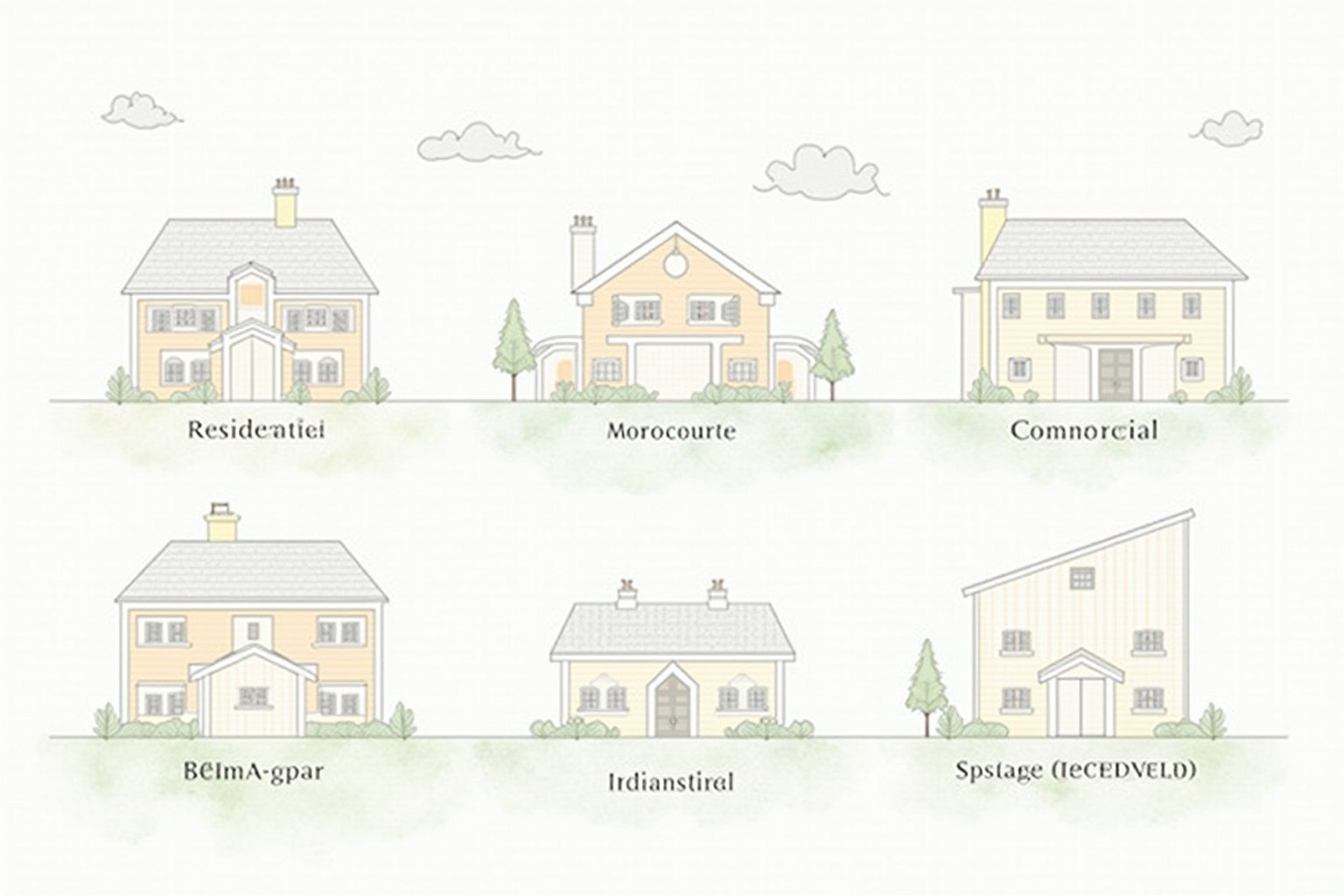
Three structural differences separate real estate platforms from stock investing. First, lock-up periods restrict when you can withdraw your investment. Public REITs trade like stocks with full daily liquidity. Crowdfunding platforms hold capital for quarters or years with redemption windows or fees for early exit. Second, valuation cadence differs — stock prices update by the second, while real estate platform valuations update quarterly or annually based on property appraisals or fund net asset value calculations. Third, tax treatment includes depreciation pass-through that reduces current taxable income but increases capital gains tax at sale, requiring multi-year tax planning.
These differences make real estate platforms unsuitable for emergency funds or short-term goals. They are most useful for diversifying long-term portfolios with exposure to real estate as an asset class. SEC Regulation A+ allows non-accredited investors to participate in offerings that were previously limited to wealthy individuals; this is the regulatory change that made the modern platforms possible.
Top Pick — Best All-Round Platform For Most Investors

Fundrise Pro
Price · 0.85% annual + 0.15% advisory fee
+ Pros
- · No accreditation required — open to all US investors
- · Diversified across hundreds of properties via fund structure
- · Quarterly liquidity with potential early-redemption fees
- · $10 minimum to start, scales to portfolios over $100K
− Cons
- · Total fees of 1% annually compound over decades
- · Returns lower than direct property ownership for risk-tolerant investors
Price, availability, and ratings can change; verify details on the retailer page before buying.
Fundrise is the right choice for most retail investors wanting real estate exposure without becoming landlords. The platform pools investor capital across hundreds of commercial and residential properties, diversifying single-property risk that direct ownership faces. Returns have averaged 7 to 10 percent annualized over the platform’s history (mixed performance during the 2022-2023 commercial real estate downturn), with quarterly distributions to investors. The minimum investment is 10 dollars, making it accessible at any wealth level.
The 1 percent total annual fee (0.85 percent advisory plus 0.15 percent investment management) is the structural drawback. Over 30 years of holding, the fee drag compounds to roughly 25 percent of cumulative returns versus a fee-free direct REIT portfolio. For investors comfortable with the lower returns in exchange for diversification and platform convenience, Fundrise remains the right pick. For fee-sensitive investors comparing to VNQ at 0.12 percent annual expense ratio, the additional fee should be justified by the diversification and the manager’s property-selection skill, which has been mixed in third-party analyses.
Direct Property Pick — For Investors Wanting Specific Property Exposure
Arrived Homes
Price · 3.5% management fee on each property
+ Pros
- · Invest in specific single-family rental properties
- · Detailed property research and financial projections published
- · $100 minimum per property, fractional ownership
- · Tax-advantaged distributions via depreciation pass-through
− Cons
- · 5-7 year lock-up with no redemption option
- · Limited property availability — many properties fill within hours
Price, availability, and ratings can change; verify details on the retailer page before buying.
Arrived Homes is the right choice for investors who want direct exposure to specific rental properties rather than blended fund returns. The platform publishes detailed property research including purchase price, projected rent, target return, and risk analysis for each property. Investors choose specific properties to invest in starting at 100 dollars per property, building a portfolio of single-family rental exposure across multiple markets. This direct-property approach captures the most distinctive feature of real estate investing — depreciation pass-through that reduces current taxable income.
The lock-up period is the honest limitation. Arrived holds properties for 5 to 7 years before exit, with no redemption option during the holding period. Investors who may need access to their capital should not use Arrived for those funds. The platform suits long-term retirement-style allocation where holding for years is acceptable. The 3.5 percent management fee on each property is higher than Fundrise’s 1 percent annual fee but applies once at property purchase rather than ongoing, making the math depends on holding period — for 5+ year holds, Arrived’s structure is competitive with Fundrise.
Liquid Pick — Public REITs Via Standard Brokerage
Vanguard Real Estate ETF (VNQ)
Price · 0.12% expense ratio
+ Pros
- · Lowest cost real estate exposure available
- · Full daily liquidity — buy and sell instantly during market hours
- · Available in any brokerage account, no separate platform signup
- · Tax treatment same as standard ETFs, simpler than crowdfunding
− Cons
- · Correlation with stock market reduces diversification benefit
- · No depreciation pass-through that direct property ownership provides
Price, availability, and ratings can change; verify details on the retailer page before buying.
VNQ is the right real estate exposure for the majority of investors who prioritize liquidity, low cost, and tax simplicity. At 0.12 percent annual expense ratio (8x lower than Fundrise’s 1 percent total fees), VNQ delivers diversified exposure to US REITs covering retail, residential, industrial, healthcare, and hospitality properties. The full daily liquidity matches stocks and ETFs, allowing rebalancing and tactical decisions that crowdfunding platforms cannot support.
The honest limitation is correlation. Public REITs trade on stock exchanges and exhibit higher correlation with the broader stock market than direct real estate. During market crashes (2008, 2020), VNQ declined more sharply than private real estate valuations because of equity-market sentiment effects. For investors seeking real estate as a diversifier from stocks, this correlation reduces the diversification benefit. For investors seeking real estate exposure as part of a fully-liquid portfolio with simple tax treatment, VNQ remains the right choice. Pair with a smaller crowdfunding allocation if direct property exposure matters; keep VNQ as the larger position for liquidity.
What To Avoid
Three real estate investment categories should not make most investors’ shortlists. Single-family rental properties bought directly without significant cash reserves carry concentrated risk, hands-on management requirements, and tenant management complexity that most W-2 employees underestimate. Smaller crowdfunding platforms (some launched and failed in 2022-2023) lack the diversification and operational stability of Fundrise. Real estate syndications sold via private networks often carry hidden fees and require accredited investor status with no SEC oversight.
How To Allocate Real Estate In A Diversified Portfolio
Most academic research suggests 5 to 15 percent of a long-term portfolio in real estate captures the asset class’s diversification benefit without overconcentrating. For an investor with 200,000 dollars in retirement accounts, this means 10,000 to 30,000 dollars in real estate exposure. The 50/50 split between liquid (VNQ in tax-advantaged accounts) and illiquid (Fundrise or Arrived in taxable accounts where depreciation matters) is a reasonable starting point. Investors with higher net worth and more complex tax situations benefit from CPA consultation on the specific structure.
Bottom Line
Fundrise for most retail investors wanting professionally-managed diversified exposure. Arrived Homes for investors wanting direct property exposure and willing to accept multi-year illiquidity. VNQ for investors prioritizing liquidity and low cost via standard brokerage accounts. Most diversified portfolios benefit from a combination of liquid REIT exposure (VNQ) plus a smaller illiquid allocation for direct property exposure.
For more financial tools see our best online brokerages, net worth trackers tested, and investing category.